In recent years, the rapid advancement of defense technology has sparked intense innovation races among leading global powers. These developments profoundly impact global security dynamics, shifting military capabilities and strategic balances worldwide. Understanding these changes is essential to grasp the evolving nature of international defense and security policies.
Emerging Trends in Defense Technology
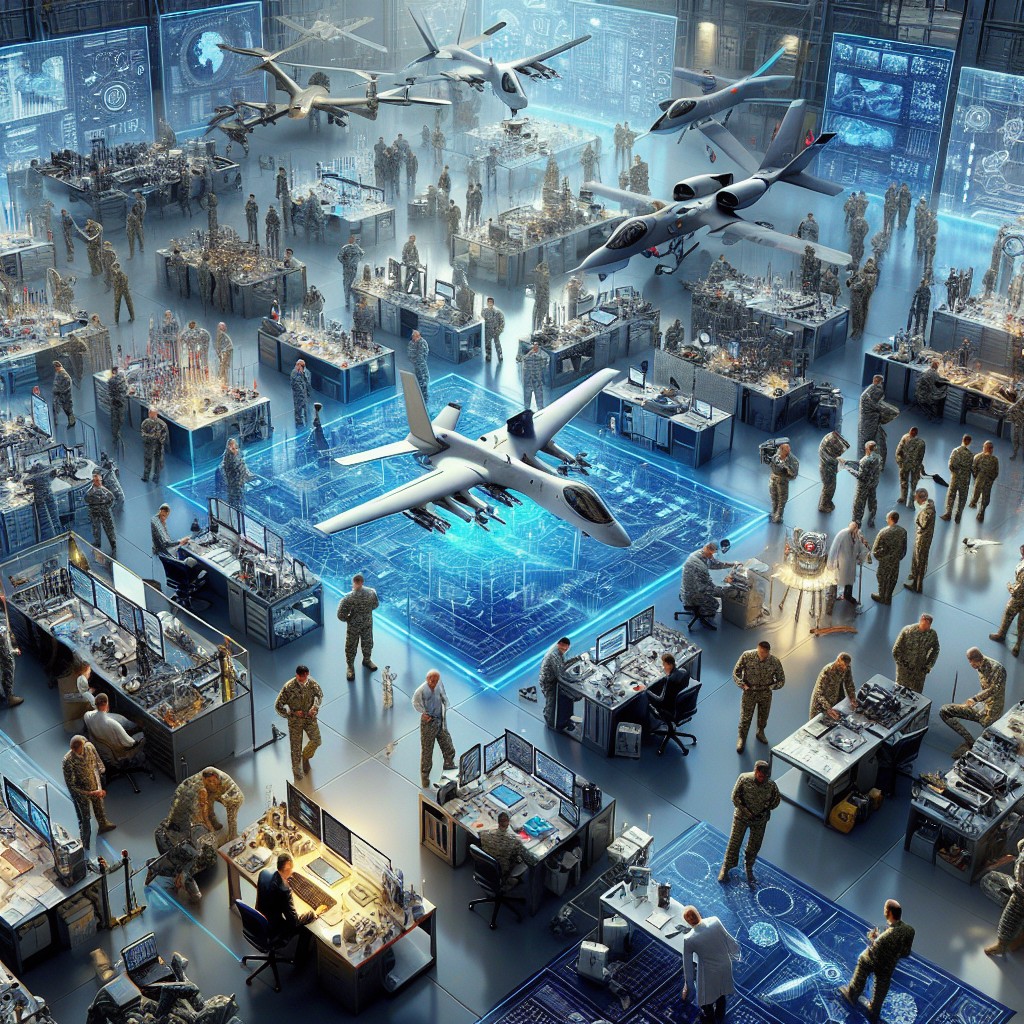
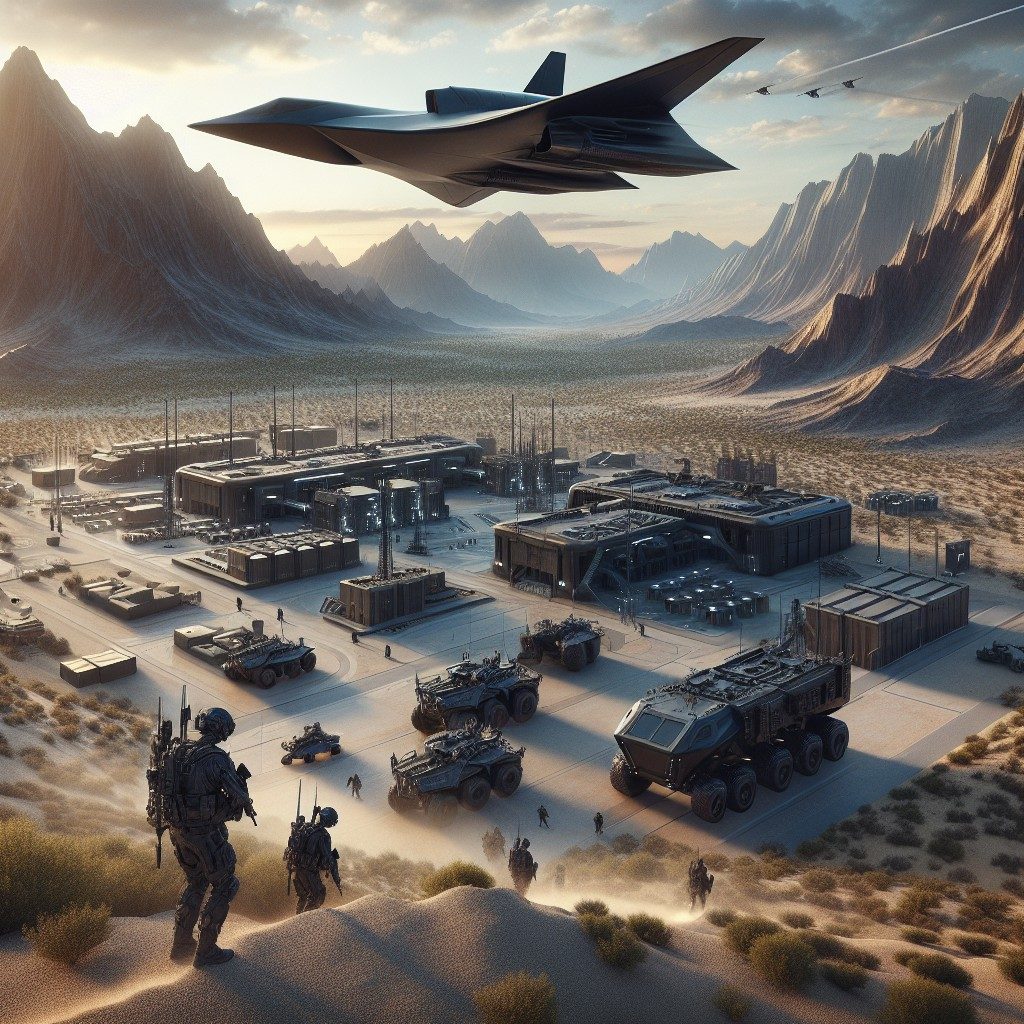
Modern defense technology now incorporates artificial intelligence, autonomous systems, hypersonic weapons, and cyber capabilities. Countries are investing heavily in these areas to gain a competitive edge. Autonomous drones and robotic systems, for instance, are increasingly deployed for reconnaissance and combat roles, reducing human risk and enhancing operational efficiency. Hypersonic missiles, capable of traveling at speeds exceeding five times the speed of sound, present new challenges for missile defense systems, requiring rapid adaptation from armed forces worldwide.
Global Power Dynamics and Arms Competition
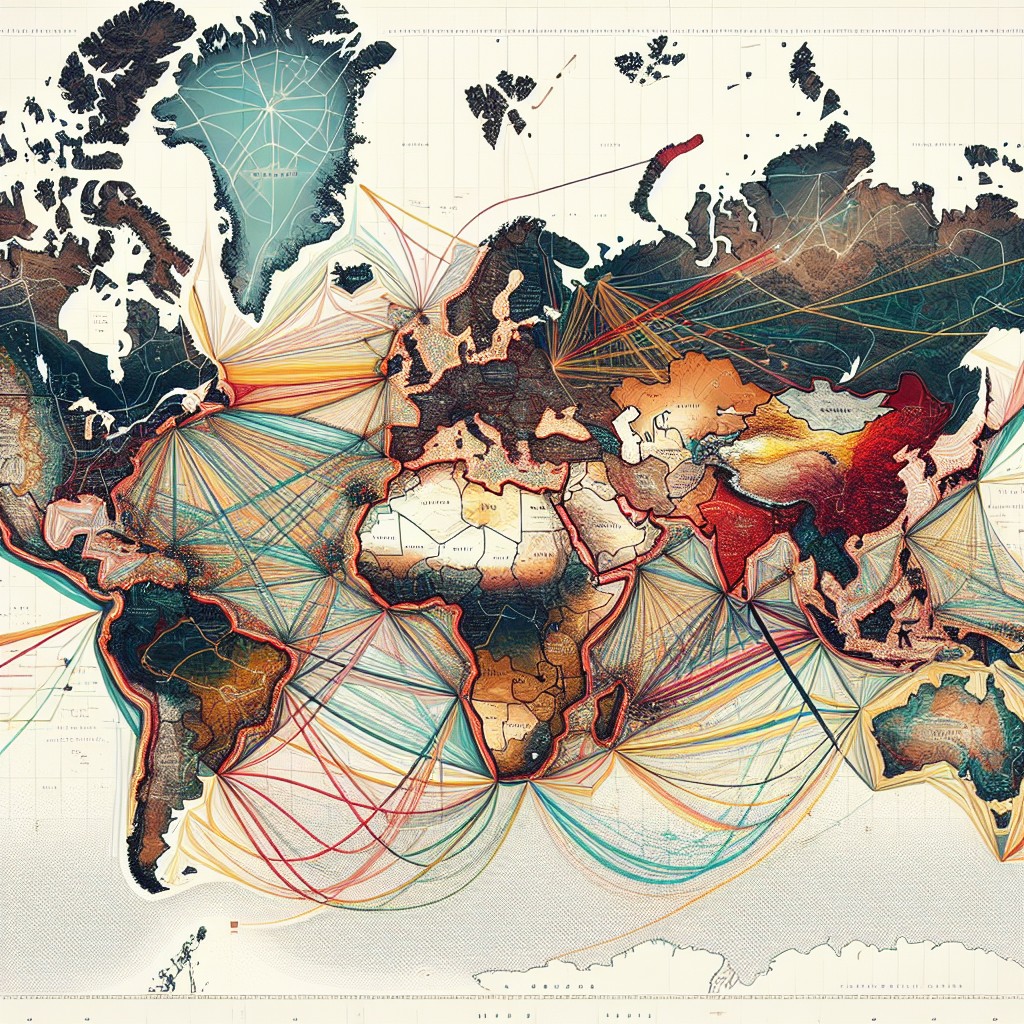
The race for superior defense technology intensifies competition among the United States, China, Russia, and other military powers. This technological rivalry affects traditional alliances and triggers shifts in defense postures. Nations prioritize modernization initiatives, focusing on integrating advanced technologies into their defense infrastructures. The defense technology advancements influence deterrence strategies and force projection capabilities, with significant implications for regional and global stability.
Impact on International Security Frameworks
The proliferation of cutting-edge defense technologies challenges existing arms control agreements and necessitates new regulatory measures. Cybersecurity threats linked to defense technology require international cooperation to mitigate risks of espionage and sabotage. Additionally, the deployment of autonomous weapons raises ethical concerns, prompting calls for international norms and agreements to regulate their use and prevent escalation incidents.
Role of Private Sector and Innovation Ecosystems
Private companies and tech startups are increasingly pivotal in driving defense technology innovation. Governments collaborate with industry to accelerate research and development, harnessing advancements in machine learning, materials science, and space technologies. This partnership fosters a dynamic innovation ecosystem, but also raises issues regarding technology transfer, export controls, and supply chain security within the defense industry.
Future Outlook for Defense Technology and Global Security
Looking ahead, defense technology will remain a cornerstone of national security strategies. Continuous innovation will shape military doctrines and necessitate updated training and operational protocols. The integration of defense technology in multinational exercises and defense cooperation will likely expand, contributing to collective security but also underscoring the complexity of managing global security risks amid rapid technological change.
Frequently Asked Questions about defense technology
What is defense technology?
Defense technology refers to the collection of advanced tools, systems, and methodologies used by military forces to enhance their capabilities in combat, surveillance, communication, and information security.
How does defense technology affect global security?
Advancements in defense technology alter power balances, impact deterrence strategies, and introduce new challenges for arms control, thereby affecting global security dynamics.
Which countries are leading in defense technology innovation?
The United States, China, Russia, and several European countries are prominent leaders investing heavily in emerging defense technologies to maintain strategic advantages.
What role does cybersecurity play in defense technology?
Cybersecurity is a critical component of defense technology, as it protects military systems from cyberattacks that could compromise operations, intelligence, or critical infrastructure.
Are there international regulations on the use of advanced defense technology?
Currently, arms control agreements and international norms attempt to regulate certain aspects of defense technology, but rapid innovation often outpaces established frameworks, prompting ongoing discussions for updated regulations.