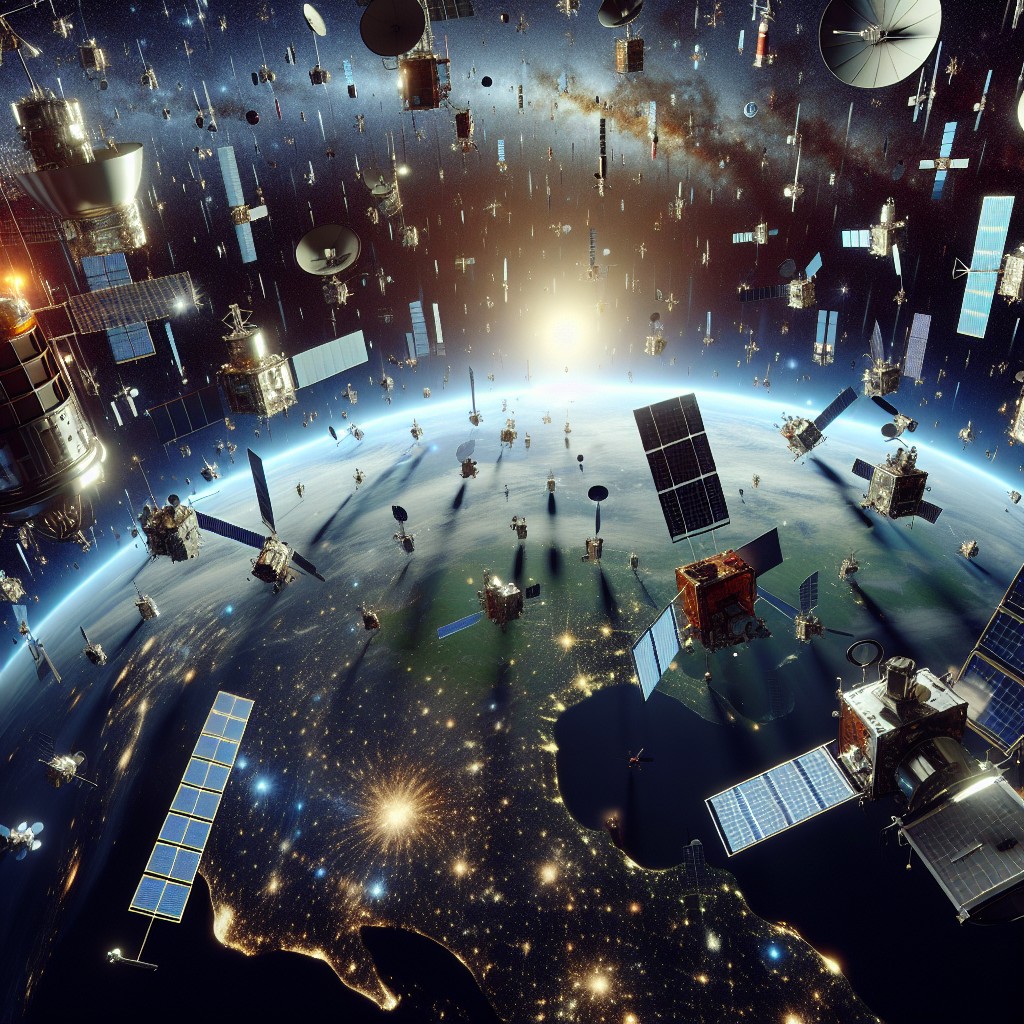
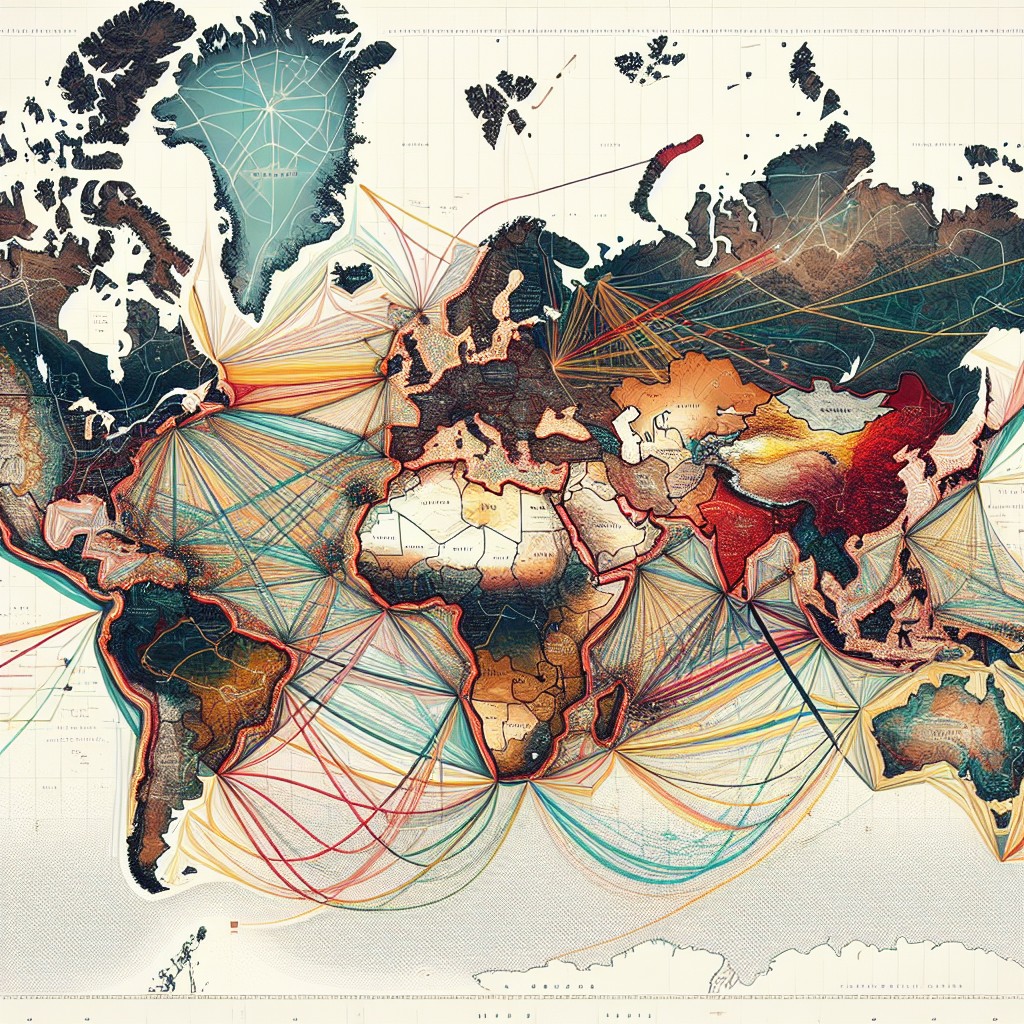
The increasing number of satellites populating Earth’s orbits is reshaping the landscape of space security, prompting new challenges and discussions among global stakeholders. The rapid deployment of mega-constellations and the expansion of space activities call for coordinated measures to ensure the long-term safety and sustainability of orbital environments.
Growing congestion in low Earth orbit demands vigilant space security
Low Earth orbit (LEO), the region closest to our planet, has seen an unprecedented surge in satellite launches over the past few years. Commercial operators and government agencies alike have deployed thousands of satellites, primarily for telecommunications and Earth observation. This density has raised concerns about collisions and the generation of space debris, which directly impact space security. Maintaining safe distances between objects and tracking their movements have become critical priorities to prevent accidents and service disruptions.
International cooperation is key to managing orbital traffic
Spacefaring nations and organizations increasingly emphasize the need for multinational collaboration to address shared challenges. Agencies like the United Nations Office for Outer Space Affairs (UNOOSA) and the Inter-Agency Space Debris Coordination Committee (IADC) advocate for stronger regulatory frameworks and data sharing practices. These efforts aim to enhance transparency and foster trust among countries, reducing the risks of misinterpretation or conflict as orbits become more crowded. Effective governance models are under active discussion to balance commercial interests with collective safety.
Technological advancements complement policy development
Beyond regulatory measures, advancements in tracking technology and collision avoidance systems are pivotal to improving space security. Enhanced radar and optical sensors provide more accurate and timely information about the position and trajectory of space objects. Artificial intelligence is increasingly applied to predict potential conjunctions and automate response strategies, allowing satellite operators to perform timely maneuvers. These technologies help mitigate risks in congested orbits while supporting the operational continuity of critical satellite infrastructure.
Environmental considerations surface as space debris grows
The proliferation of space debris, including defunct satellites and fragments from past collisions, poses a lasting threat to space security. Experts highlight that even small debris can damage functioning satellites or crewed missions due to the high speeds involved. Strategies such as active debris removal, improved end-of-life disposal protocols, and design innovations to minimize fragmentation are being explored. Sustaining the orbital environment requires a combination of technological solutions and robust policies that prevent further debris accumulation.
Commercial space actors influence the evolution of space security measures
Private companies continue to expand their presence in orbit with ambitious projects that deploy hundreds or thousands of satellites. Their role in shaping space security is significant, as they introduce novel operational practices and business models. Industry leaders participate in dialogues about best practices, data sharing, and adherence to international guidelines. Their cooperation is essential for the successful implementation of safety measures and the development of resilient space infrastructure that supports global communication, navigation, and scientific research.
In conclusion, as satellite constellations grow and Earth’s orbits become more congested, space security is evolving into a complex domain that requires cooperation, advanced technology, and comprehensive regulation. The trajectory of space activities suggests that proactive management and international collaboration will be essential to safeguard orbital environments and enable sustainable use of space for future generations.
Frequently Asked Questions about space security
What is space security and why is it important?
Space security refers to the measures and practices aimed at protecting satellites and orbital environments from collisions, debris, and conflicts. It is important to ensure the safe and sustainable use of space for communications, navigation, scientific research, and national security.
How does satellite congestion affect space security?
Satellite congestion increases the risk of collisions and the creation of space debris, which can damage operational satellites and jeopardize missions. Managing this congestion through tracking and regulations is vital for maintaining space security.
What roles do international organizations play in space security?
International organizations facilitate cooperation, establish guidelines, and promote transparency among countries to manage space activities responsibly. Their work helps coordinate efforts to enhance global space security.
How is technology helping to improve space security?
Technology such as advanced sensors, tracking systems, and artificial intelligence enables better monitoring and prediction of satellite movements, allowing for timely collision avoidance and risk mitigation to strengthen space security.
What challenges remain for maintaining long-term space security?
Key challenges include managing increasing satellite numbers, mitigating space debris, establishing enforceable international regulations, and encouraging cooperation among diverse space actors to ensure ongoing space security.