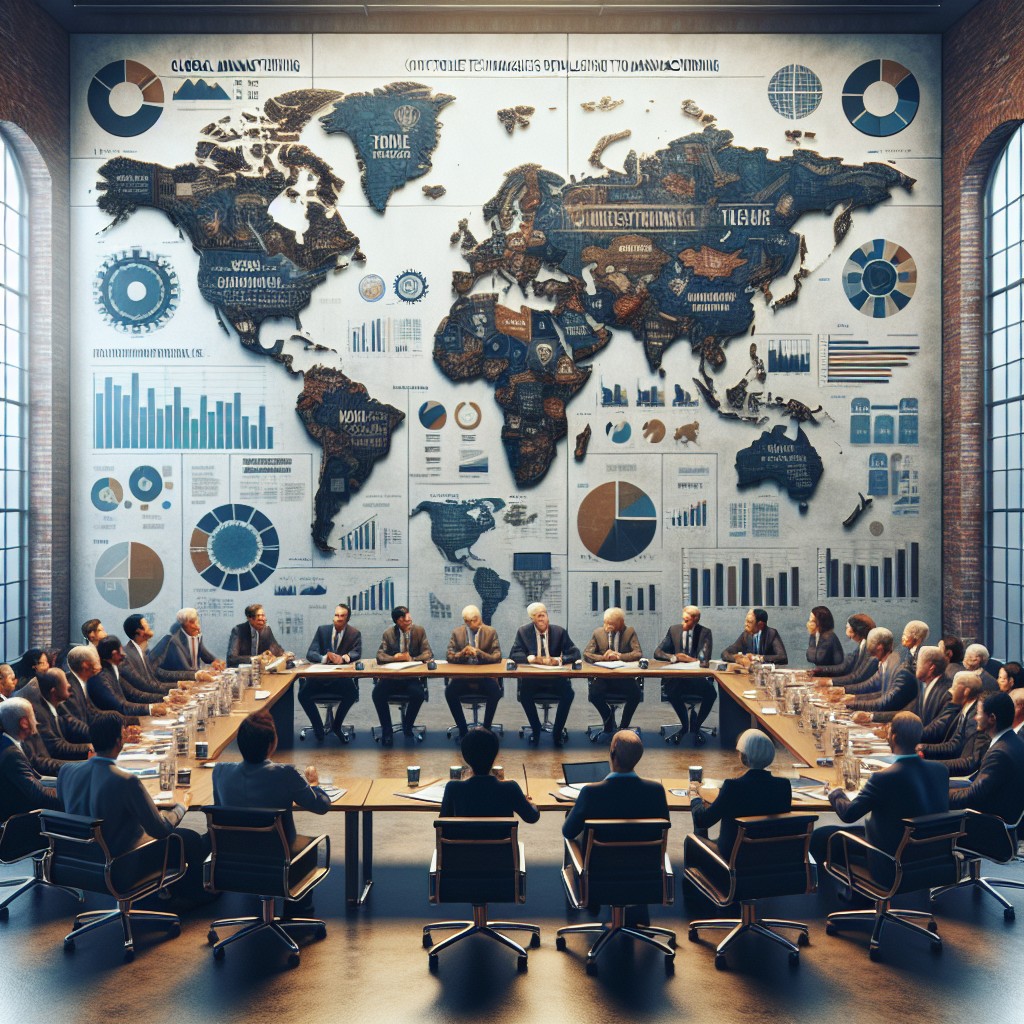
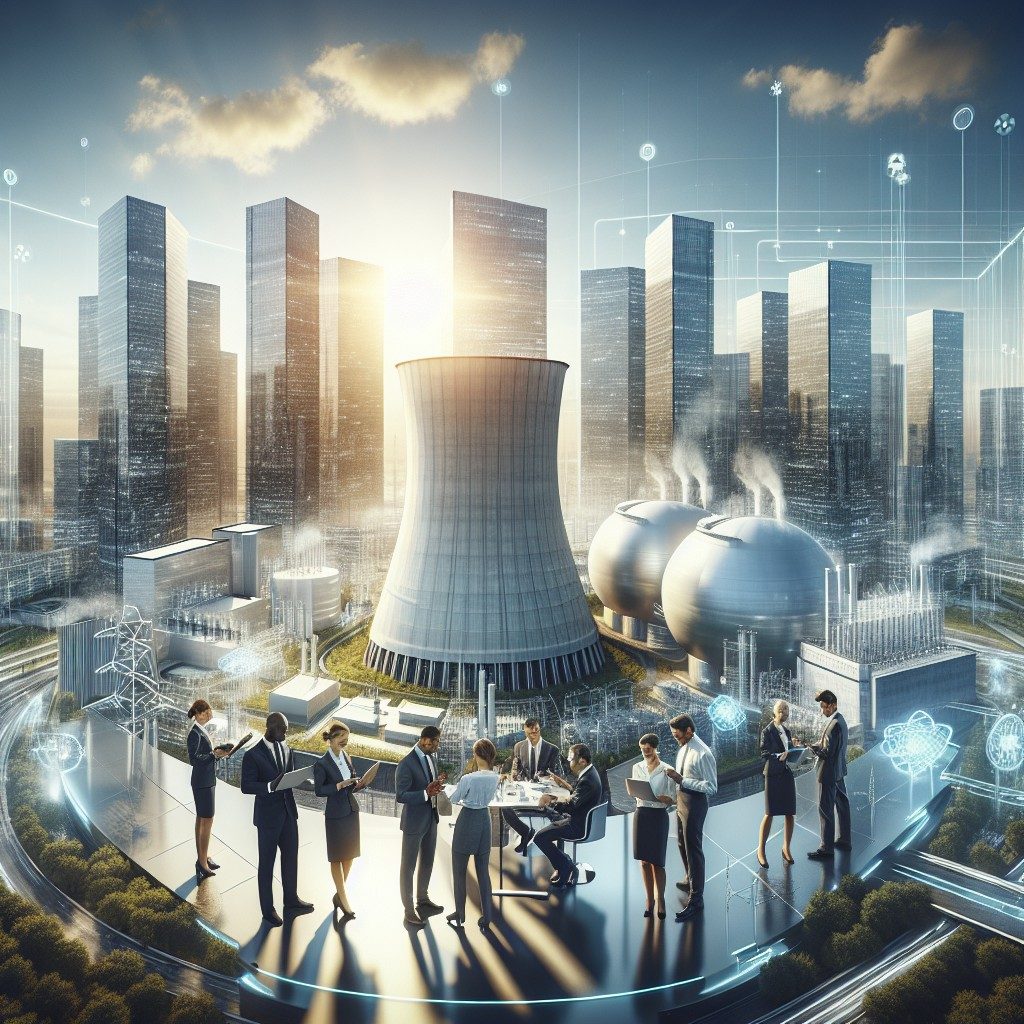
In recent years, countries around the world have been actively designing and implementing new industrial policy strategies to adapt to shifting global economic dynamics and technological advancements. These measures are instrumental in reshaping manufacturing industries beyond traditional borders, influencing supply chains, investment flows, and international trade patterns.
The Rising Importance of Strategic Industrial Policy
Industrial policy has regained prominence as governments seek to bolster domestic manufacturing capabilities amid increasing geopolitical tensions and supply chain disruptions. By directing investment towards key sectors, fostering innovation, and protecting critical industries, countries aim to enhance resilience and competitiveness in a rapidly evolving global landscape. The approach often includes incentives for technology adoption, workforce development, and environmental sustainability.
Cross-Border Collaboration and Competition
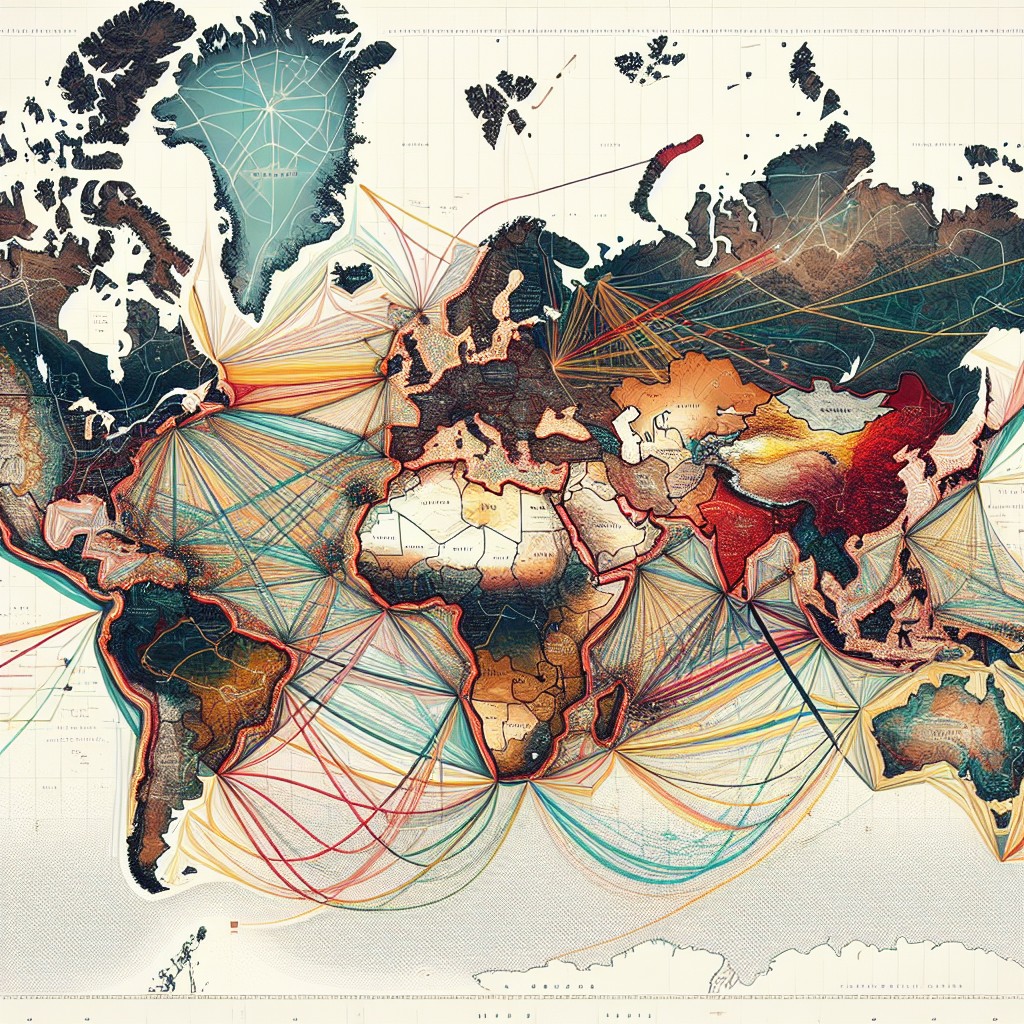
Manufacturing no longer operates within isolated national frameworks but within interconnected global networks. Industrial policy now requires coordination on a regional and international level, balancing collaboration with competition. Multilateral partnerships and trade agreements frequently integrate provisions to support advanced manufacturing and reduce vulnerabilities. Simultaneously, some nations employ more protectionist industrial policy tools to safeguard strategic industries, leading to complex dynamics in global production.
Technological Innovation as a Central Focus
Advancements in automation, artificial intelligence, and digitalization have become central to contemporary industrial policy decisions. Governments are investing in research and development and encouraging collaboration between public institutions and private enterprises to accelerate technological progress. This focus not only aims to increase manufacturing efficiency but also to transition industries towards greener production processes, aligning with global sustainability goals.
Supply Chain Resilience and Diversification
Recent global events, including the COVID-19 pandemic and geopolitical conflicts, have exposed vulnerabilities in international supply chains. As a result, industrial policy initiatives are increasingly centered on supply chain resilience and diversification. Policies encourage reshoring or nearshoring manufacturing activities and developing alternative sourcing strategies to minimize disruption risks. This shift influences investment patterns and trade relationships on a large scale.
The Role of International Institutions in Shaping Industrial Policy
International organizations, such as the World Trade Organization and the Organisation for Economic Co-operation and Development, play a significant role in defining frameworks that govern industrial policy implementation. Through guidelines and monitoring, these institutions promote fair trade practices and help manage conflicts arising from divergent national industrial policies. They also facilitate dialogue and knowledge-sharing among countries aiming to modernize their manufacturing sectors.
Conclusion
The evolution of industrial policy is fundamentally reshaping manufacturing beyond borders by driving strategic investments, fostering innovation, and reconfiguring global supply chains. Moving forward, governments will likely continue to balance domestic economic objectives with international cooperation, navigating geopolitical complexities and technological transformations. The ongoing adjustments in industrial policy frameworks suggest a future where manufacturing is more resilient, technologically advanced, and globally interconnected.
Frequently Asked Questions about industrial policy
What is the primary goal of industrial policy in manufacturing?
The primary goal of industrial policy in manufacturing is to enhance a country’s economic competitiveness and resilience by supporting key industries through investment, innovation, and regulatory measures.
How does industrial policy affect global supply chains?
Industrial policy can influence global supply chains by promoting diversification, encouraging reshoring, and supporting infrastructure improvements to reduce dependency on specific regions or suppliers.
Why is technological innovation important in current industrial policy strategies?
Technological innovation is essential in industrial policy strategies because it drives efficiency, competitiveness, and sustainability in manufacturing, allowing industries to adapt to changing market demands.
Can industrial policy lead to protectionism in international trade?
Yes, industrial policy can sometimes include protectionist measures to safeguard domestic industries, which may impact international trade relationships and lead to tensions between countries.
How do international organizations influence national industrial policy decisions?
International organizations provide guidelines, facilitate cooperation, and monitor compliance to ensure that national industrial policies adhere to fair trade principles and contribute to global economic stability.